


As the automotive industry evolves, there are more options than ever when it comes to environmentally friendly vehicles. Two popular choices are electric vehicles (EVs) and hybrid vehicles. In this blog, we will compare these two types of vehicles to help you make an informed decision about which one is right for you.
Understanding Electric Vehicles
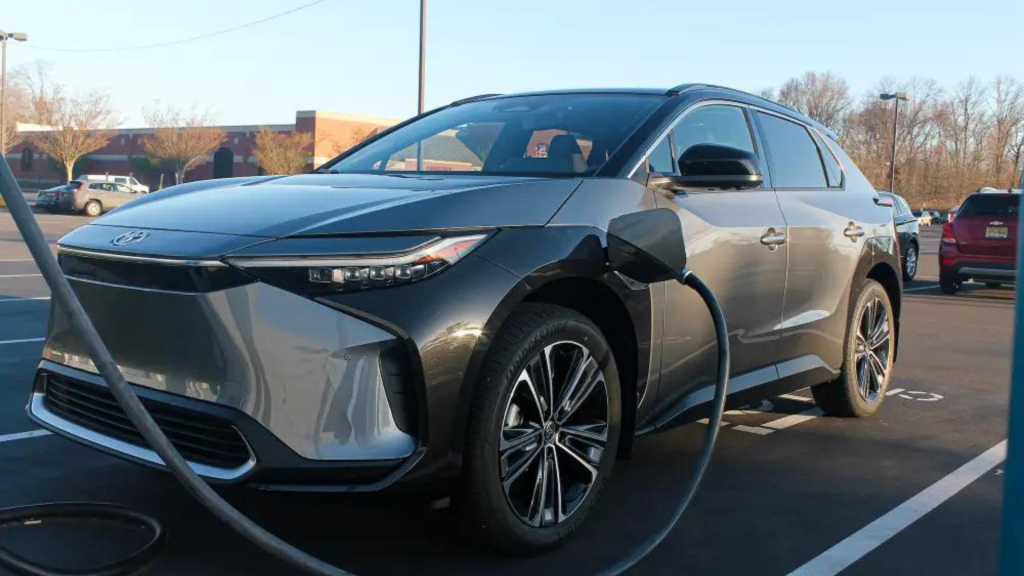
How Electric Vehicles Work: Electric vehicles run solely on electricity stored in rechargeable batteries. They have an electric motor instead of an internal combustion engine.
Benefits of Electric Vehicles: EVs are zero-emission vehicles, reducing greenhouse gas emissions and air pollution. They offer lower operating costs, as electricity is generally cheaper than gasoline. EVs also provide a smooth and quiet driving experience.
Considerations for Electric Vehicles
Range anxiety, or the fear of running out of battery power, is a concern for some. Charging infrastructure is growing, but availability can vary depending on your location. Long charging times can be a drawback compared to quick refueling with gasoline.
How Hybrid Vehicles Work
Hybrid vehicles combine an internal combustion engine with an electric motor and a battery. They can operate on both gasoline and electric power, utilizing regenerative braking to recharge the battery.
Benefits of Hybrid Vehicles
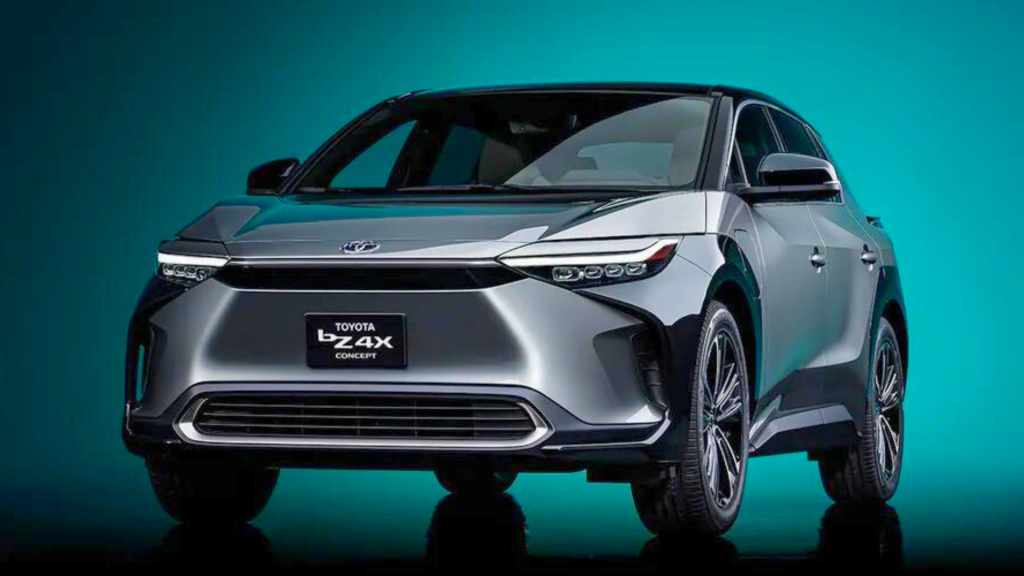
Hybrids offer improved fuel efficiency compared to conventional gasoline vehicles. They produce fewer emissions and have a longer driving range than electric vehicles. Hybrid technology is well-established and widely available.
Considerations for Hybrid Vehicles
Hybrids still rely on gasoline and produce emissions, though at a lower rate than conventional vehicles. The complexity of hybrid systems may require additional maintenance and repairs compared to electric vehicles.
Range and Charging
EV range varies depending on the model and battery capacity. Some EVs can achieve over 300 miles on a single charge, while others have a more limited range. Factors such as driving habits and weather conditions can also affect range.
Charging Infrastructure
The availability of charging stations is expanding, with options for home charging, workplace charging, and public charging stations. Fast-charging stations can provide a significant charge in a short amount of time, but they may not be as widely accessible as standard charging stations.
Hybrid Vehicle Range
Hybrid vehicles have a longer driving range compared to pure electric vehicles. They can operate on gasoline when the battery is depleted, eliminating range anxiety. However, they still require regular refueling at gas stations.
Both electric vehicles and hybrid vehicles offer environmental benefits and fuel efficiency compared to conventional gasoline vehicles. Electric vehicles provide zero-emission driving, lower operating costs, and a quiet driving experience. However, they may have limitations in terms of charging infrastructure and range anxiety. Hybrid vehicles offer improved fuel efficiency, a longer driving range, and the convenience of using gasoline. Consider your driving habits, charging accessibility, and environmental priorities when choosing between electric and hybrid vehicles. Ultimately, the decision depends on your individual needs and preferences.
For years, Marianna Toyota has been serving drivers with the best and safest vehicles on the market. We pride ourselves on knowing that when we give you the keys, you’re going to drive away happy. If you’re in the market for a new vehicle this season, then give us a call at 850-526-3511. We here at Marianna Toyota are located at 2961 Pennsylvania Avenue Marianna, FL 32448.
Recent Blog Entries
Categories
- 2024 Toyota Camry Hybrid Marianna, FL
- 2024 Toyota Corolla Cross Marianna, FL
- 2024 Toyota Corolla Hatchback Marianna, FL
- 2024 Toyota Crown
- 2024 Toyota Crown Marianna, FL
- 2024 Toyota RAV4 Hybrid Marianna, FL
- 2024 Toyota Sequoia Marianna, FL
- 2024 Toyota Sienna Marianna, FL
- 2024 Toyota Tundra Hybrid Marianna, FL
- 2024 Toyota Tundra Marianna, FL